Flat and Low-Slope Systems That Protect Business Operations
Commercial Roofing in Ventura for office buildings, retail properties, and industrial facilities requiring long-term waterproofing and minimal maintenance
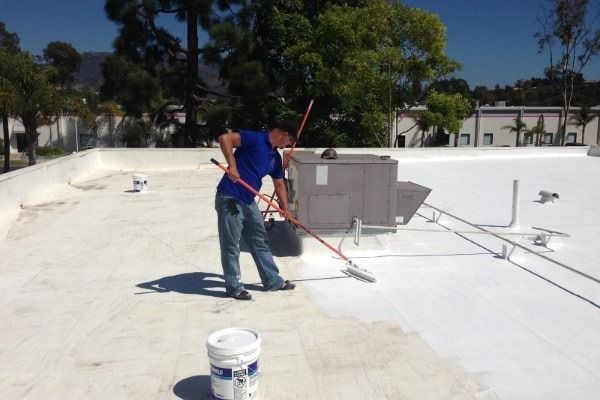
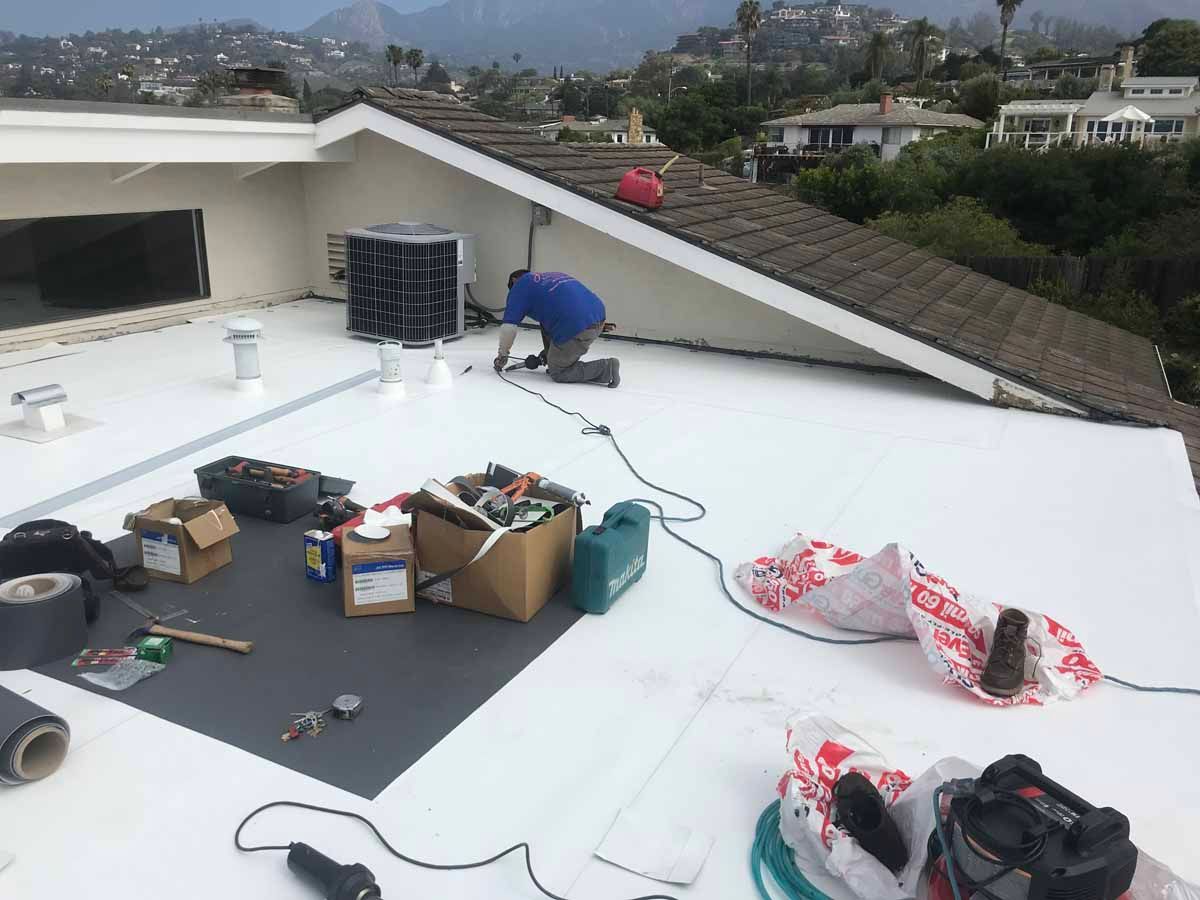
Commercial properties face different roofing demands than residential structures, with flat and low-slope systems that must channel water efficiently across large surface areas while withstanding foot traffic from HVAC maintenance and equipment installations. Joel's Roofing & Rain Gutter Co Inc. works with property managers and business owners across Ventura to install and maintain roofing systems designed for durability and minimal operational disruption. The difference between a properly engineered commercial roof and one installed without attention to drainage patterns becomes obvious during the first heavy rain, when ponding water accelerates membrane breakdown and creates leak risks near equipment penetrations.
Commercial roofing service includes flat roofing systems, low-slope configurations, and materials selected for their ability to withstand extended sun exposure and the thermal expansion cycles that occur when roof surfaces heat up during the day and cool rapidly after sunset. Installation is scheduled around your business hours to avoid disrupting operations, and projects are phased when necessary to keep portions of the building fully functional throughout the process.
Arrange a site evaluation to assess your current roof condition and discuss system options that fit your maintenance budget.
How Commercial Systems Prevent Long-Term Water Intrusion
Flat and low-slope roofs rely on membrane integrity and proper slope engineering to move water toward drains and scuppers rather than allowing it to pond in low spots. Every seam must be heat-welded or adhered according to manufacturer specifications, and flashing around HVAC units, vents, and roof edges must create watertight barriers that flex with building movement without tearing or separating. Joel's Roofing & Rain Gutter Co Inc. uses materials rated for commercial applications, which means thicker membranes, reinforced seams, and UV-resistant coatings that extend service life in Ventura's high-sunlight environment.
After installation, your building benefits from a roof system that channels water away from vulnerable areas, resists punctures from foot traffic and equipment placement, and requires less frequent intervention than older systems that were not designed with preventative maintenance in mind. Property managers notice fewer emergency calls related to ceiling leaks, reduced interior damage from water intrusion, and longer intervals between major repairs when the system is installed correctly from the start.
Preventative maintenance programs identify small issues before they escalate into costly repairs, with scheduled inspections that check membrane condition, clear drain pathways, and verify that all penetrations remain sealed. These programs are particularly valuable for buildings with complex rooflines or multiple HVAC units, where regular monitoring prevents problems that would otherwise go unnoticed until water appears inside the structure.
Schedule A Consultation
Contact Us
We will get back to you as soon as possible.
Please try again later.
Reviews
Answers to Frequent Service Questions
Commercial roofing decisions involve balancing upfront costs, expected lifespan, and how much maintenance the system will require over time.
How do flat roofs drain water without a steep pitch?
The roof surface is engineered with a slight slope, typically one-quarter inch per foot, that directs water toward internal drains or scuppers positioned at strategic low points, and this gradient is built into the decking or created with tapered insulation layers during installation.
What causes ponding water on commercial roofs?
Ponding occurs when the roof slope is insufficient, drains become blocked by debris, or the decking has settled unevenly over time, creating depressions where water collects and remains for more than forty-eight hours after rainfall.
Why does commercial roofing cost vary so much between properties?
Cost depends on roof size, the number of penetrations that require custom flashing, existing structural conditions, and whether the old system can be installed over or must be removed completely before the new membrane is applied.
How often should commercial roofs in Ventura be inspected?
Inspections twice per year, ideally before and after the rainy season, allow property managers to identify membrane damage, clear debris from drains, and address minor issues before they compromise the waterproofing system.
What does a preventative maintenance program include?
Programs typically cover scheduled inspections, drain cleaning, minor membrane repairs, and documentation of roof condition over time, which helps property managers budget for eventual replacement and demonstrates due diligence for insurance purposes.
Joel's Roofing & Rain Gutter Co Inc. coordinates commercial projects to minimize impact on your daily operations and provides clear timelines for each phase of the work. Request a site assessment to discuss system options and maintenance planning for your property.
Our Services
Residential Roofing
Commercial Roofing
Roof Repairs
Roof Replacement
Roof Inspection
Roof Installation
Rain Gutter Installation
Gutter Repair and Maintenance
Gutter Cleaning
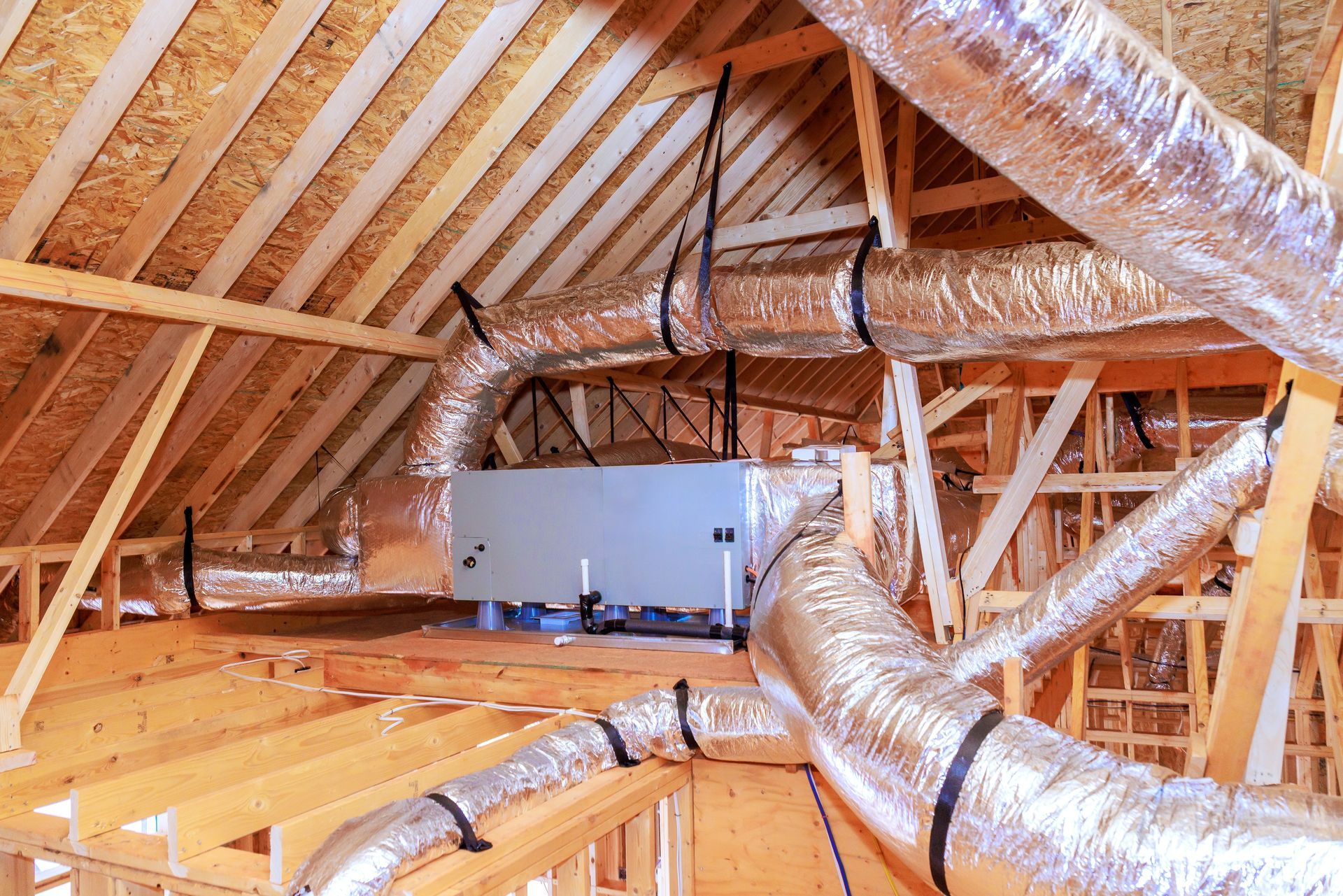
Attic Venting Installation
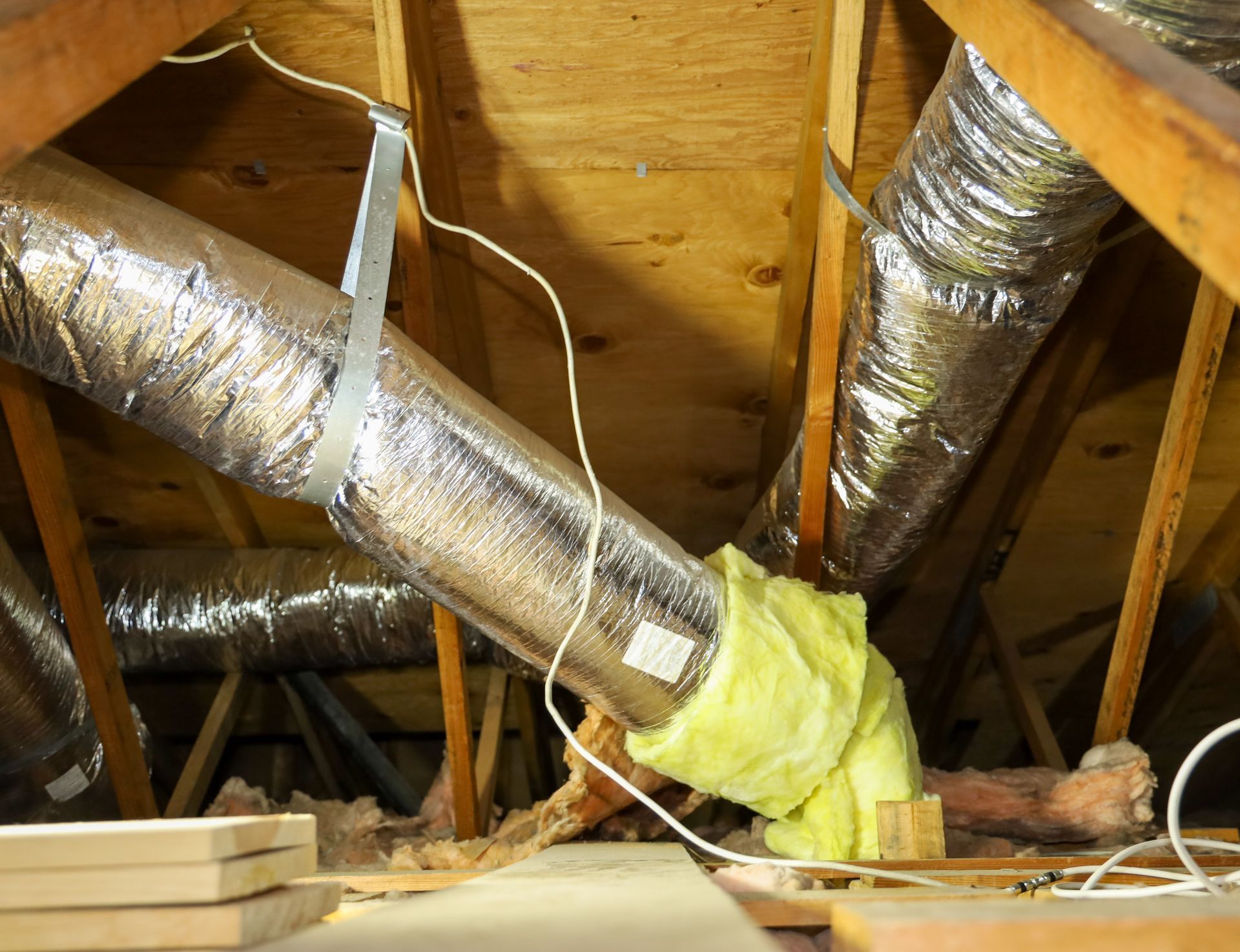
Attic Venting Repair
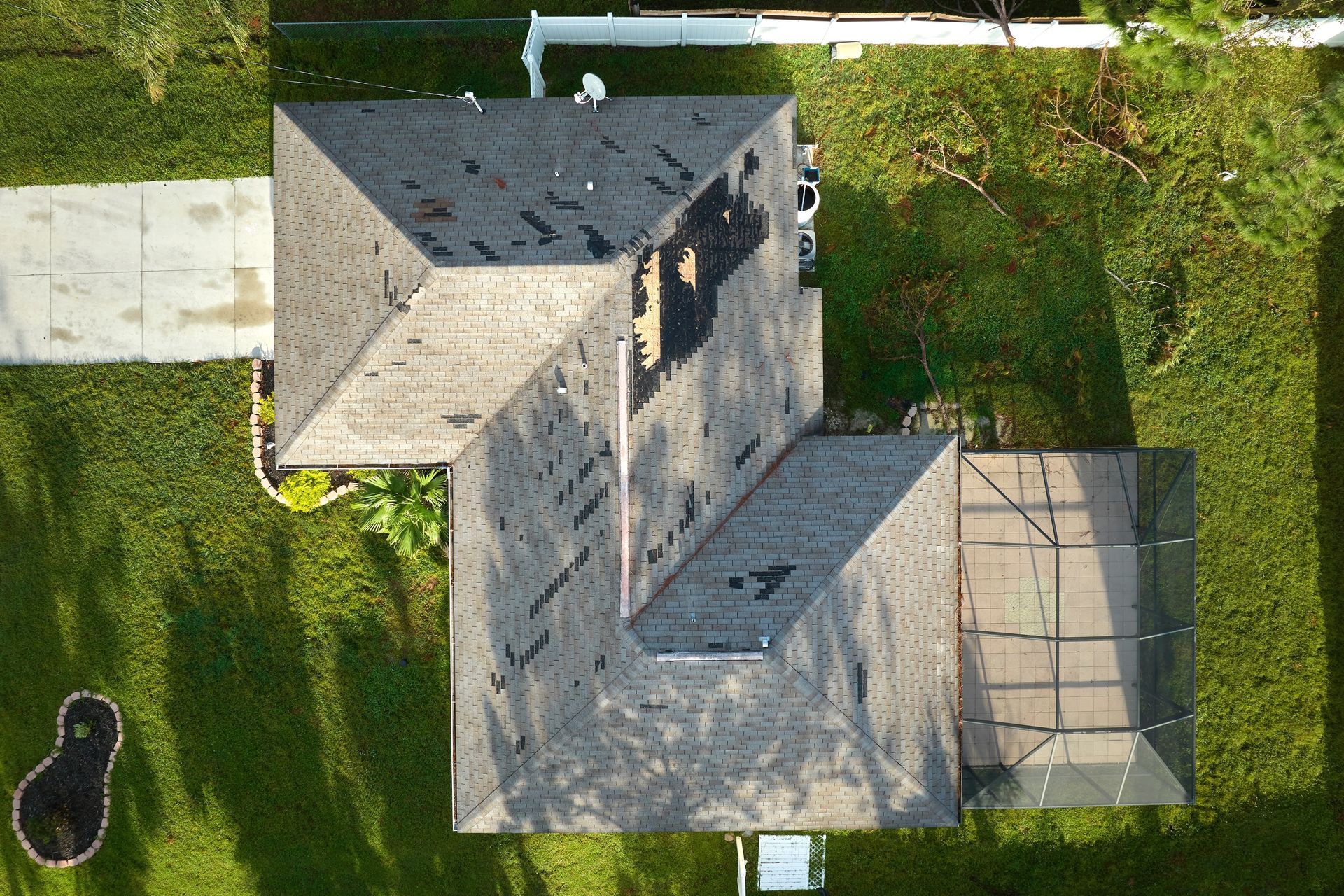
Storm Damage Repair
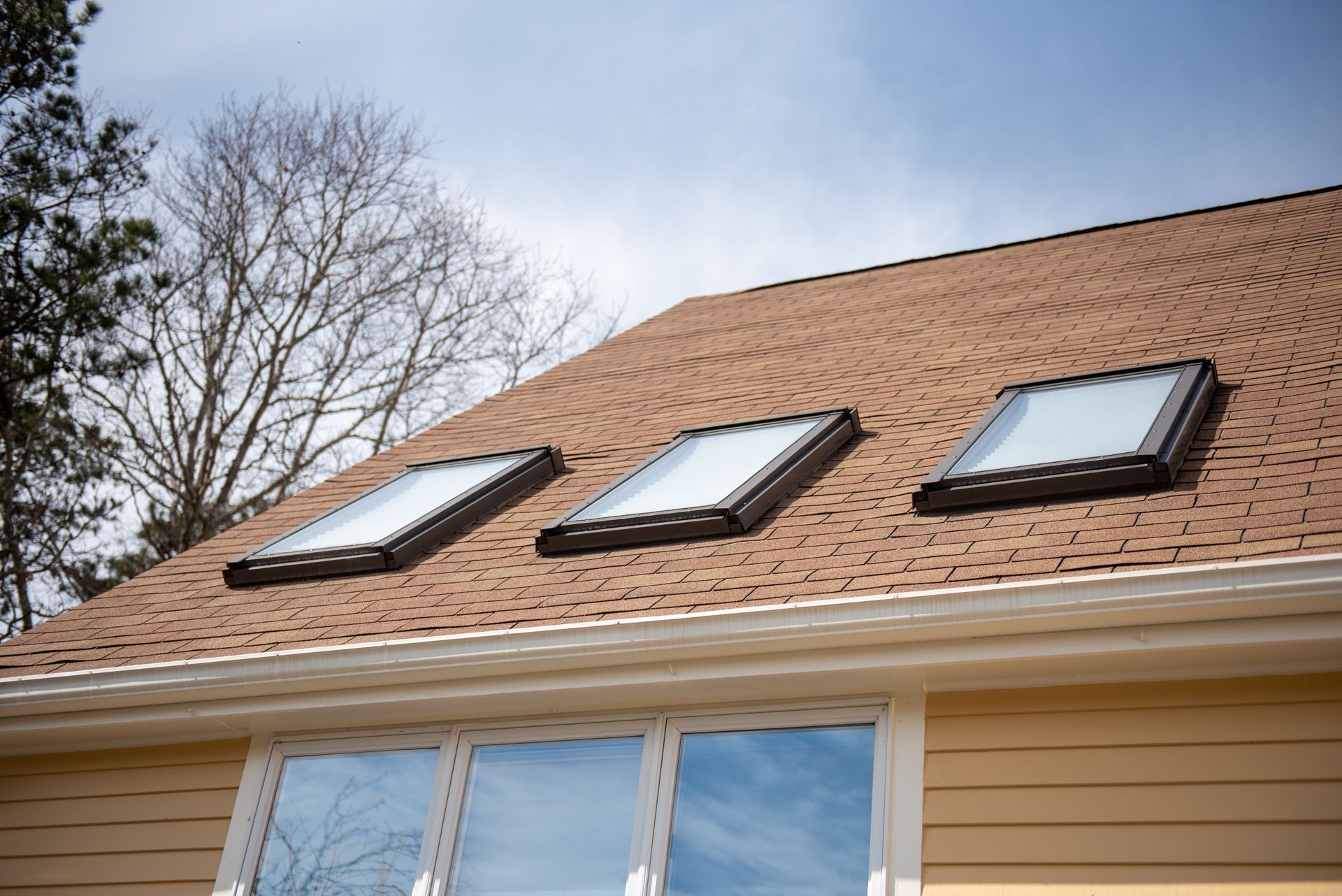
Skylight Installation